Introduction To Software Defined Radio
Digital signal processing technology has been transforming radio design and construction. Using microcontrollers and high-speed FPGAs for digital signal processing rather than analog circuitry, these SDRs can be much, much smaller and cheaper than than those using only analog technologies.
What is an SDR?
When people think of a radio, they usually picture something like the Yaesu FTDX-10 base station or the portable Sony ICF-2010 Short Wave Radio. The Yaesu FTDX-10 is a modern, very sophisticated base station transceiver that fits on a desk and costs over a thousand dollars. Being so new, it undoubtedly uses SDR techniques in its design. The Sony ICF-2010 is a much older analog radio that was popular for listening to short-wave broadcasts but is still a very competent receiver today.
Many newer radios today use SDR processing in their design. The Flex radio used in PARC's remote HF transceiver is an SDR.
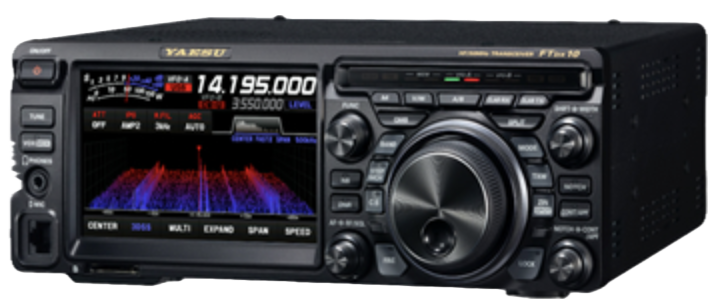
The Modern Yaesu FTDX10 High-end Transceiver
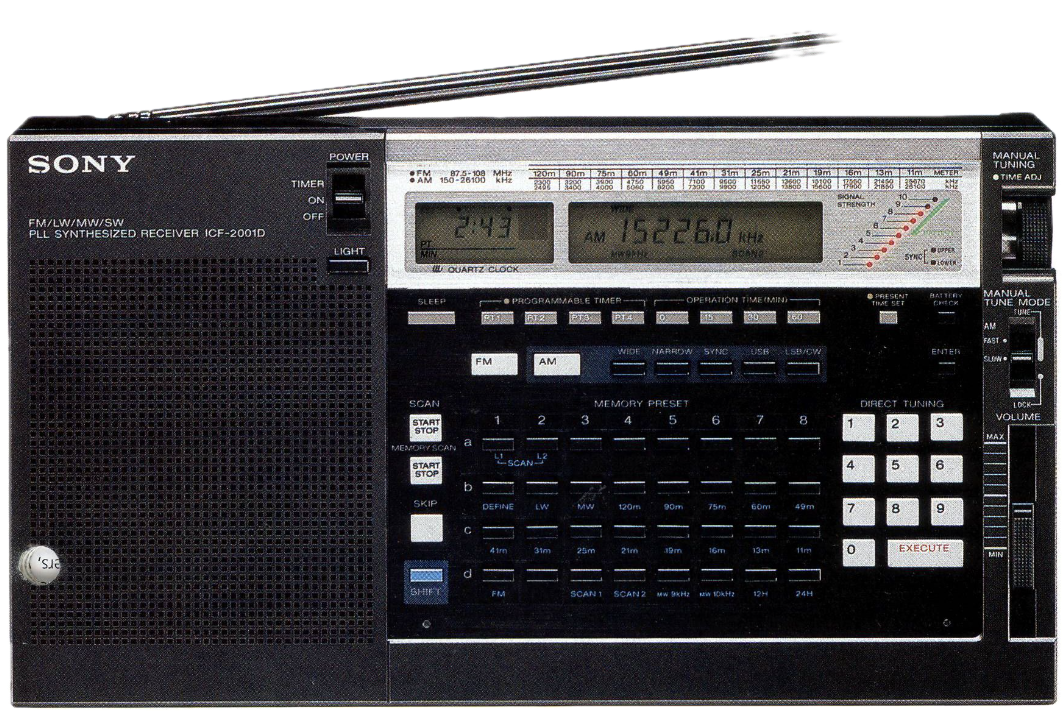
The (older) Sony ICF-2010 Receiver
The STEMLab's SDRs
The SDRs that we use in the STEMLab, on the other hand look like these. To the right are the RTL-SDR Blog v3 and the Airspy HF+ Discovery SDRs. These are but a fraction of the size, weight and cost of traditional radios. The RTL-SDR is about 3.5" x 1" and the Airspy is about 1.75" x 2". These "dongles" don't have displays or manual controls. Instead they are completely controlled though SDR software on a connected computer.
The STEMLab's SDR Hardware
ⓘ PARC STEMLab SDRs
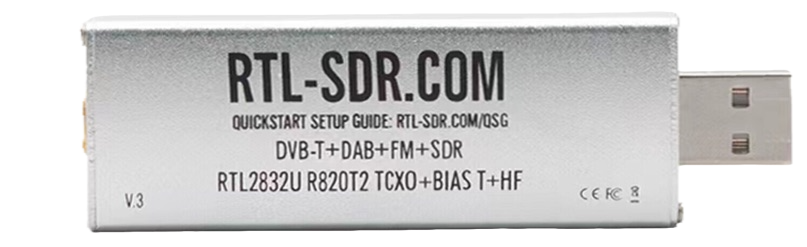
The RTL-SDR v3 SDR
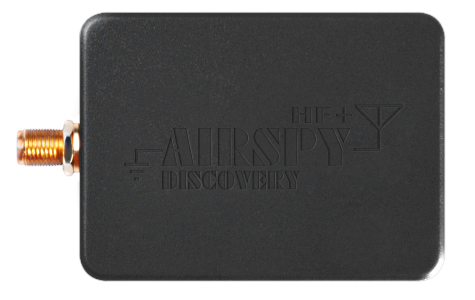
The Airspy HF+ Discovery SDR
Note: PARC does not sell or endorse any products mentioned in these pages.
Information is provided for education and instructional purposes only.